The Poetry of Culinary Arts: Wisdom from the Sea
Explore the poetic craft of cooking and seafood butchery through quotes, design, and practical wisdom for chefs and gift-givers.
The Poetry of Culinary Arts: Wisdom from the Sea
The kitchen is a stage, the knife a pen, and seafood a stanza that arrives with tide, salt, and story. This deep-dive guide explores the poetic nature of cooking—especially seafood butchery—and collects quotes, practical wisdom, design advice, and gift ideas for anyone who wants food art that reads as beautifully as it tastes. Whether you’re a home cook, a professional chef, or someone shopping for a thoughtful, nautical-themed gift, this piece blends sensory essays with actionable steps and curated product-design guidance to give you a complete roadmap.
1. Why Cooking Is a Form of Poetry
Words on a plate: meaning through arrangement
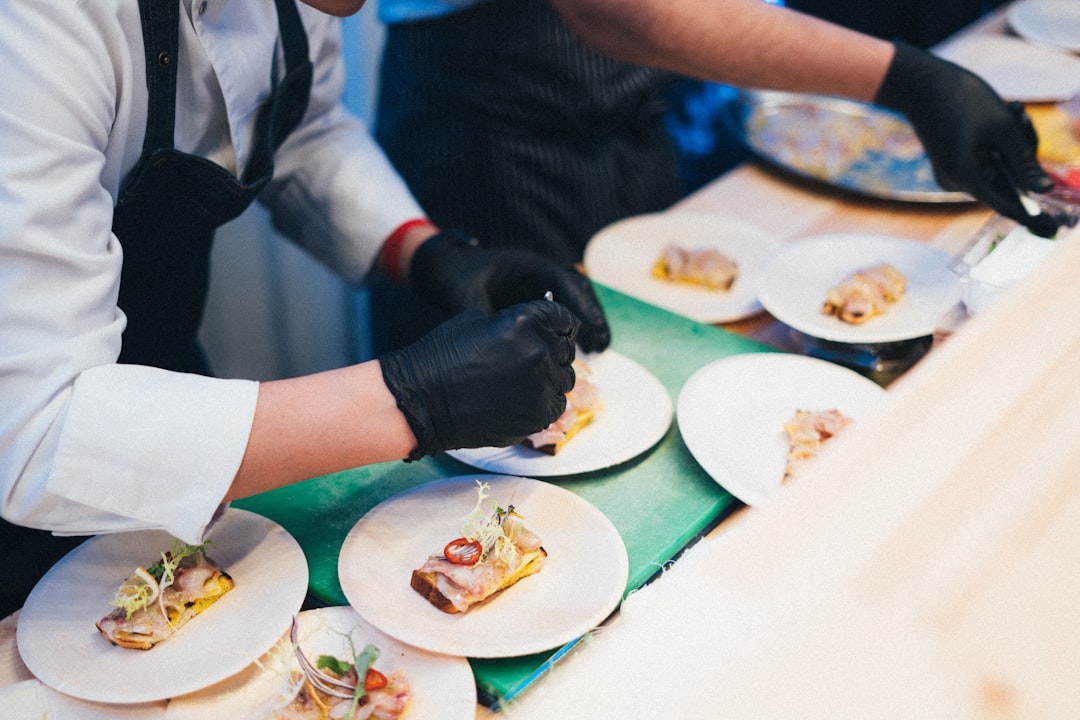
Plating is like lineation in verse. Where a poet chooses line breaks, the cook chooses negative space: a smear of purée becomes an enjambment; a scatter of microgreens, a carefully placed caesura. Describing food visually helps customers, guests, and students understand why a dish feels balanced. For chefs creating quote-driven wall art or prints for dining rooms, the same visual principles apply: hierarchy, rhythm, and restraint. For inspiration on creative messaging and whole-food storytelling, see how others craft their campaigns in our piece on Crafting Influence: Marketing Whole-Food Initiatives on Social Media.
Motion and meter: choreography in the kitchen
Cooking is choreography. The mise en place is the rehearsal; the service is opening night. Rhythm matters: mise flows into sear, sear into rest, rest into plate. This movement benefits from music and timing—something many cooks use instinctively. Research on how music elevates performance supports pairing playlists with prep. If you want to explore how music elevates rhythm and mood in active rituals, check out The Power of Playlists.
Senses as stanzas: aroma, sound, texture
Poetry uses sound and silence; cooking uses aroma and texture. The scent of citrus on a raw scallop or the briny steam from a hot broth carries as much narrative weight as any stanza. Integrating aromatherapy principles into food experiences can deepen memory and emotional resonance. For ideas on scent pairing and how it supports practice, read Scentsational Yoga: How Aromatherapy and Scented Accessories Enhance Your Practice, which explores scent in immersive rituals that translate well to dining atmospheres.
2. Seafood as a Lyrical Ingredient
Tide-born narratives: provenance tells a story
Seafood carries geographic storytelling in its texture and taste. A humble oyster tells of estuaries and kelp, a bluefish of currents and fight. Sourcing transparency becomes part of the quote you hang on a wall—“From tide to table” is more than a slogan when paired with traceable provenance. For projects that center community sourcing and local markets, explore our article on Exploring Community Services through Local Halal Restaurants and Markets to see how local food ecosystems build trust and narrative.
Flavor textures: the language of the palate
Seafood offers a wide lexicon of textures—silky, flakey, meaty, gelatinous—that lets chefs compose contrasts like poets juxtapose images. A perfectly cooked piece of fish provides a mouthfeel that becomes metaphor in conversation, reviews, and prints. When developing quote merchandise, choose adjectives that evoke texture as well as taste; buyers respond to tactile language as much as visual design.
Sustainability & provenance: an ethical stanza
Every culinary poem has an ethical undertone now. Sourcing methods—line-caught, farmed, traceable—matter to conscientious buyers. These concerns intersect with larger environmental narratives; to think regionally about resource stewardship and geopolitics, see Dubai’s Oil & Enviro Tour: Linking Geopolitics with Sustainability Practices, which frames how environmental storytelling plays into consumer perception and product responsibility. For aquaculture, diet, and water-quality links that affect seafood health and flavor profiles, consult Maximize Your Aquarium’s Health: The Link Between Diet and Water Quality to understand parallels between controlled aquatic systems and responsible seafood sourcing.
3. The Craft of Seafood Butchery
Tools and tempo: selecting implements that sing
Butchery is instrument and impulse. A flexible fileting knife writes narrow, deliberate strokes; a heavy cleaver composes bold, percussive lines. For cooks translating technique to classroom teaching or to visual content, emphasize tool maintenance and selection. Conservation metaphors apply: just as curators care for artifacts, craftsmen care for blades and boards. For guidance on conserving delicate items and preserving quality over time, see Crown Care and Conservation—an analogy-rich exploration of material stewardship.
Knife work as cadence: precision, patience, practice
Fileting a fish is like scanning a line of verse: you have to feel where to breathe. Transferring the fish from skin to flesh requires tension, angle, and a practiced hand. Teaching this cadence benefits from slow demonstration and repeated drills—process advice that applies well when creating learning-focused quote prints for culinary schools or kitchens.
Respect for the ingredient: the ethic of zero waste
Good butchery values the whole animal. Heads, bones, and trimmings become stocks, sauces, and ground products. This respect is a poetic act: honoring the life that feeds us. When you design quote-led products or packaging, include guidance on usage to increase perceived value—linked content that educates buyers increases conversion. That approach mirrors gift-crafting strategies like our Gift Bundle Bonanza thinking, where contextual storytelling lifts the item beyond its parts.
4. Quotes That Celebrate Culinary Arts
Chefs on craft: short lines, long practice
Chefs often speak in aphorisms—simple lines that carry years of work. Quotes focused on craft make powerful prints for kitchens and restaurants: they validate the labor behind each plate. When you choose a quote for merchandise, think about who it will reassure: the home cook, the line cook, or the diner. Marketing quotes that celebrate effort pairs well with whole-food storytelling like our whole-food marketing piece.
Poets on food: metaphor and hunger
Poets have long used food as metaphor, from simple bread to abundant seafood. Poetic quotes layered over food photography create evocative prints that sell well as gifts. If you’re curating literary-food pairings, consider how licensing and attribution affect presentation; pairing verified attributions builds trust with buyers and collectors.
Fishermen and sea wisdom: salt-stained lines
Seaworkers’ sayings—weather-wise, wry, and compact—are micro-poems rooted in place. They make beautiful captions for coastal kitchens and seafood markets. Curating these as prints requires researching regional dialects and respecting cultural ownership. For community-centered narratives that position local food as civic service, see Exploring Community Services through Local Halal Restaurants and Markets, which offers a model for embedding local voice into product offerings.
5. Designing Quote Prints and Culinary Gifts
Typography and taste: fonts that pair with flavor
Typography carries tone. A serif type suggests tradition and slow-cooked gravitas; a hand-lettered script implies intimacy and home. For seaside or nautical quotes, textured typefaces that mimic rope or script may evoke salt-spray ambiance. Test prints under varied lighting conditions and on different materials before listing for sale—details like ink saturation and legibility at different sizes change buyer satisfaction significantly.
Materials and finishes: what survives kitchen humidity
Kitchen humidity and grease challenge many art prints. Choose materials that balance beauty and resilience: coated papers, sealed inks, metal prints, or acrylic. The table below compares common options so you can pick the best substrate for a seaside kitchen or damp coastal home. For considerations around gifting and bundling these prints with other items, see creative bundling inspiration in our Gift Bundle Bonanza piece and specialized gift ideas like Unique Veterans Day Gift Ideas that show how occasion-based curation increases emotional value.
Personalization tips: adding a line of memory
Small personalization options transform prints into heirlooms. Add dates, locations, or the name of a family boat to deepen meaning. Offer variants: minimalist black-and-white for a modern kitchen, warm sepia for a rustic dining room. Bundles that combine prints with small kitchen items (aprons, spice jars) increase average order value and make memorable gifts.
6. Culinary Rituals and Sensory Pairings
Aroma and memory: scent as mnemonic
Aroma unlocks memory faster than sight. The smell of charred lemon or a warm bisque can transport diners instantly. Use scent deliberately in dining rooms and markets to reinforce messaging. If you want to pair scent with ritual design—useful when staging product photography or events—read about scent practices in Scentsational Yoga for techniques that map well to hospitality.
Music and movement: syncing sound with service
Sound forms the meta-rhythm of service. A playlist that matches service tempo can enhance both cook performance and diner enjoyment. For concrete strategies on designing playlists that elevate an active ritual, consult The Power of Playlists to adapt workout pacing techniques to your kitchen or dining room.
Presentation as performance: lighting, tempo, and reveal
Staging a dish is a reveal moment. Lighting and timing transform an ordinary plate into a scene. If you’re planning events that combine food and art—like a wedding or gallery dinner—see how event producers integrate music and ceremony in Amplifying the Wedding Experience: Lessons from Music and Ceremony for inspiration on crafting multisensory moments.
7. Practical Cooking Wisdom from the Sea
Storage and safety: handling seafood with care
Food safety is non-negotiable with seafood. Time-at-temperature, cross-contamination prevention, and immediate chilling are core practices. For modern food-safety considerations—especially those influenced by digital traceability, labeling, and home-cook behavior—see Food Safety in the Digital Age. That article outlines how technology and consumer expectations shape safe handling practices for sellers and buyers alike.
Sourcing and ethics: where to buy and why it matters
Buyers increasingly demand transparency. Work with vendors who provide catch method, location, and handling details. If you run pop-ups or community meals, partnering with local markets and restaurants builds reciprocal trust; for examples of community food-service models, refer to Exploring Community Services through Local Halal Restaurants and Markets, which shows how localized partnerships strengthen food ecosystems and consumer confidence.
Simple recipes for depth: three quick ideas
1) Citrus & Herb-Steamed Mussels: steam with white wine, lemon zest, and parsley for a dish that reads bright and poetic. 2) Browned Butter Lemon Scallops: sear quickly and finish with browned butter, lemon, and chive for contrast. 3) Fishbone Broth: roast bones, simmer for hours with mirepoix—use as a base for risotto or a shellfish sauce. Each of these dishes exemplifies how restraint often yields the most evocative results.
8. Case Studies & Real-World Examples
A chef's quote-print collection: creating a retail-ready line
One small coastal restaurant developed a line of framed chef quotes—each paired with a recommended dish and provenance card—sold in-house and online. The initiative increased gift sales and deepened brand storytelling. For bundle and merchandising strategies that boost per-customer value, see gifting strategies in Gift Bundle Bonanza.
A wedding that read like a seaside poem
A catered seaside wedding used custom quote prints as table centerpieces and takeaways. Quotes emphasized tidal metaphors and family heritage, and a playlist synchronized with service—creating a coherent sensory arc. For taking ceremony and music into account when planning food-forward events, our piece on weddings and music, Amplifying the Wedding Experience, is a useful resource.
Community program: feeding through storytelling
A community kitchen partnered with local fishers to create a pop-up dinner series where each course included a short printed quote about place and practice. This deepened community engagement and sold out quickly. If you’re interested in models where food anchors local service, review Exploring Community Services through Local Halal Restaurants and Markets for lessons on civic food programming.
9. Choosing and Caring for Culinary Quote Prints
Materials longevity: what to pick
Choose materials with humidity and grease resistance for kitchen displays. Metal and acrylic resist moisture better than uncoated paper, while giclée prints on archival paper offer museum-grade color if framed behind glass. Consider matte laminates for readability under bright cooking lights. These trade-offs matter to buyers who expect both beauty and durability.
Framing and lighting: display that flatters
Simple frames and directional lighting turn an inexpensive print into an attention-grabbing piece. For coastal kitchens, weathered wood frames and warm LED lighting enhance the nautical theme. If you care about preserving a print’s character, the ideas in Crown Care and Conservation translate well from artifact care to print preservation.
Shipping and gifting: protect the art, delight the recipient
Protect prints with rigid mailers, corner guards, and moisture barriers. Offer gift-wrapping and curated bundles to boost perceived value. Thoughtful packaging that tells the story—where the fish came from, why the quote matters—creates an emotional connection that improves repeat business. Linking themed prints with complementary products increases cart value and customer satisfaction.
Pro Tip: When selling culinary quote prints, include a one-paragraph story card that lists sourcing or the recipe associated with the quote—this increases conversions and creates repeat buyers.
10. Materials Comparison: Which Substrate Suits a Kitchen?
| Material | Look & Feel | Durability in Kitchen | Best Uses | Price Range |
|---|---|---|---|---|
| Matte Giclée Paper | High-fidelity color, artful | Moderate (needs glass) | Dining room focal prints, gifts | $$ |
| Coated Paper (laminated) | Clean, modern | Good (resists splashes) | Everyday kitchen prints | $ |
| Metal (Aluminum) | Sleek, contemporary | Excellent (moisture resistant) | Restaurant kitchens, coastal modern homes | $$$ |
| Acrylic | Glossy, vibrant | Excellent (easy to wipe) | High-impact visuals | $$$ |
| Wood (Sealed) | Warm, rustic | Good (if sealed) | Coastal cottages, farm kitchens | $$ |
11. Bringing It Together: Curating a Collection
Theme development: pick a narrative arc
A cohesive collection has a through-line: heritage, sustainability, or the sea. Choose your theme first, then select quotes, materials, and product bundles that support that theme. For example, a sustainability-themed collection could pair a metal print with a provenance card and a donation to a local fishery—an approach that mirrors event-focused curations in wedding and community contexts like Amplifying the Wedding Experience.
Packaging & storytelling: craft the box as part of the poem
Packaging should extend your narrative: include a short story card, care instructions, and a recipe or pairing suggestion. Bundles that combine prints with culinary tools or small food items perform particularly well. See creative bundled approaches in Gift Bundle Bonanza for cross-category bundling ideas.
Launch and marketing: timing, channels, and partnerships
Market launches tie into seasons and emotions—consider coastal gift seasons (Father’s Day for fishermen, summer for tourists). Partnerships with local restaurants or markets increase credibility and reach. If you plan pop-ups or community meals to test product-market fit, learn from community service models such as Exploring Community Services through Local Halal Restaurants and Markets.
Frequently Asked Questions
1. Are seafood quotes and sayings public domain?
It depends. Many traditional sayings and folk proverbs are public domain, but modern quotes by living authors or chefs can be copyrighted. Always verify attribution and secure rights when necessary—especially for commercial prints. When in doubt, use short excerpts with proper attribution or commission original text from a writer.
2. Which print material handles kitchen humidity best?
Metal and acrylic are most resistant to humidity and grease. Coated and laminated papers are also good for everyday kitchens. The table above compares options for quick reference.
3. How can I ensure sustainable sourcing for seafood-themed products?
Work with suppliers who provide catch method, region, and handling data. Partner with fisheries that have certification or traceability systems. For context on aquaculture and related diet/water-quality concerns, see Maximize Your Aquarium’s Health.
4. What are simple ways to personalize culinary prints?
Offer options for adding dates, family names, or place names. Provide color and font variants and include a short story card that explains the quote’s origin or associated recipe. Bundling prints with recipes enhances perceived value.
5. How should I ship delicate prints to coastal addresses?
Use sealed, moisture-resistant packaging with desiccants for long transit. Add corner protection and rigid mailers to prevent bending. Provide insurance and tracking for higher-value items and clear care instructions upon delivery.
Conclusion: Let Food Speak in Lines and Dishes
Cooking and seafood butchery are poetic practices—each act a line, each dish a stanza. Viewed this way, the kitchen becomes a studio and seafood a subject with a voice: briny, honest, and full of history. Whether you’re designing quote prints, curating a coastal collection, or just learning to filete a fish with respect, the principles are the same: honor provenance, prioritize craft, and tell the story. For more on how storytelling, scent, and music shape experiences, revisit ideas in The Power of Playlists and Scentsational Yoga, and consider local partnerships as described in Exploring Community Services through Local Halal Restaurants.
If you’d like help turning a favorite quote into a beautiful, kitchen-ready print or need a materials consultation for a seaside collection, our curated marketplace can guide you through design, proofing, and shipping—making it simple to bring culinary poetry off the page and onto your wall.
Related Reading
- Savor the Flavor: Unique Lithuanian Snacks You Need to Try Now - A taste-led exploration of snack traditions and how regional snacks can inspire flavor-first design.
- Dubai’s Oil & Enviro Tour - Context on how sustainability narratives shape consumer expectations for food and goods.
- Crown Care and Conservation - Practical lessons on preserving delicate objects that translate to print and packaging care.
- Gift Bundle Bonanza - Creative bundling strategies adaptable to culinary gift sets and print pairings.
- Food Safety in the Digital Age - Modern food-safety guidance relevant to anyone selling or gifting seafood-related products.
Related Topics
Marin Clarke
Senior Editor & Culinary Content Strategist
Senior editor and content strategist. Writing about technology, design, and the future of digital media. Follow along for deep dives into the industry's moving parts.
Up Next
More stories handpicked for you

Generative AI in Art: A Double-Edged Sword

Art of Evacuation: The Lessons We Can Learn from Sudden Disruptions

Art as Protest: Quotes from Artists Who Challenge the Status Quo

Collective Memories: Crafting Quotes Between Generations

Restoring History: Quotes That Speak to Our Present
From Our Network
Trending stories across our publication group

Quotes that Inspire: Life Lessons from Streaming Classics

Dance Like No One’s Watching: Funny Quotes for Awkward Wedding Moments

Unpacking Tech Troubles: The Creative in Problem-Solving

Artistic Collaborations: What Renée Fleming's Departure Means for Content Strategists

Troubleshooting Your Words: Lessons from the Windows Bug Saga
